
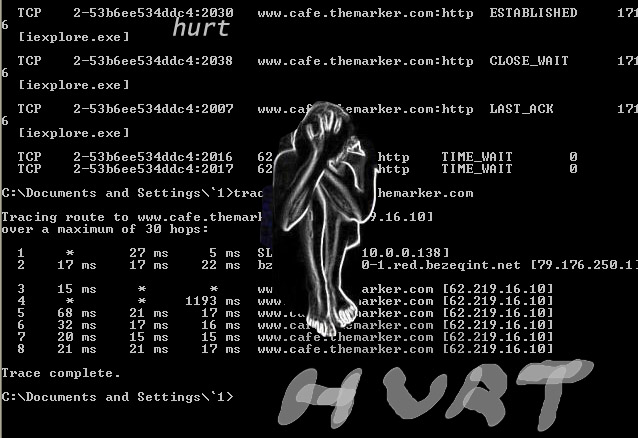
The Intersection of Social Engineering, Paranoia, and Mental Health
In today’s digital age, the complexities of mental health intersect with technological advancements in ways that can exacerbate vulnerabilities.
Psychotic symptoms may integrate technological themes, such as beliefs in electronic surveillance or messages from AI systems, reflecting how contemporary technology shapes delusional content (Higgins, Short, Chalup, & Wilson, 2022).
Reference: Higgins, O., Short, B. L., Chalup, S. K., & Wilson, R. L. (2022). Interpretations of Innovation: The Role of Technology in Explanation Seeking Related to Psychosis. Perspectives in Psychiatric Care, 2023(1), 4464934. https://doi.org/10.1155/2023/4464934
Social engineering, a tactic that exploits human psychology to manipulate individuals into revealing sensitive information, becomes particularly potent when coupled with underlying mental health issues such as paranoia or schizoaffective disorder. Here, I explore my personal journey through paranoia, the impact of social engineering, and how AI and algorithms play significant roles in these dynamics.
Understanding Social Engineering and Paranoia
Social engineering relies on psychological manipulation to exploit human vulnerabilities. Attackers often create a sense of urgency, fear, or trust to deceive individuals into revealing confidential information or performing actions that compromise security. This becomes even more effective when individuals are in a state of heightened anxiety and mistrust, typical of paranoia.
Paranoia is characterized by intense, irrational suspicion and mistrust of others. Individuals experiencing paranoia may perceive threats where none exist and act on these perceived threats. This heightened state of anxiety makes them particularly susceptible to social engineering tactics that exploit their fears.
The Role of Schizoaffective Disorder
Schizoaffective disorder, which combines symptoms of schizophrenia and mood disorders, can include delusions and paranoia. These symptoms can make individuals with the disorder more vulnerable to social engineering attacks:
- Persecution Delusions: Individuals may believe they are being targeted by a conspiracy. For instance, they might interpret a phishing email as part of a larger plot against them.
- Heightened Anxiety and Mistrust: These feelings can make individuals more vigilant yet more susceptible to social engineering attempts that exploit their fears.
AI and Social Engineering
Advancements in AI have heightened the threat posed by social engineering by creating more sophisticated and convincing attacks:
- Deepfakes: AI can generate highly realistic videos or audio recordings, making it easier for attackers to impersonate trusted individuals or organizations, making attacks harder to detect.
- Personalization: AI can analyze vast amounts of data to tailor attacks to specific individuals, increasing the likelihood of success by crafting personalized phishing emails.
- Automation: AI can automate the creation and distribution of phishing emails, enabling large-scale attacks that target many individuals simultaneously.
AI in Mental Health Management
AI can also assist in managing mental health disorders like schizoaffective disorder by tracking symptoms, managing medication, and providing reminders for appointments. However, there are risks:
- Exacerbation of Paranoia: AI tools, such as virtual assistants or chatbots, might exacerbate paranoia or delusions, especially if the individual perceives them as part of a conspiracy.
Personal Experiences with Social Engineering and Delusional Thinking
Two personal examples illustrate the interplay between social engineering and paranoia:
Example 1: AVG Antivirus Alert
- Objective: Persuade users to upgrade to the paid version by creating a sense of vulnerability and urgency.
- Message: A vulnerability in your computer might allow attackers to access sensitive files, such as your CV.PDF.
- Paranoid Delusion: Believing that specific, shady individuals are trying to identify you.
- Thought Process: Interpreting the alert as a targeted attempt by “shady people” to uncover your identity.
- Reality: The alert was a generic advertisement designed to sell a product, not a targeted attack.
Example 2: Trending Topics on X.com (formerly Twitter)
- Objective: Increase user engagement by displaying trending, provocative content likely to generate clicks and interactions.
- Message: Hashtags like “death penalty” or “the end of the world” appear prominently in your feed.
- Paranoid Delusion: Believing there is a conspiracy to manipulate public opinion using loaded language and inflammatory content.
- Thought Process: Interpreting the trending topics as part of a deliberate effort to influence and control public perceptions.
- Reality: The platform uses algorithms designed to maximize engagement, and trending topics may reflect content that generates high user interest.
The Role of Algorithms in Targeted Advertising
Personal Experience with Targeted Ads
On several occasions, I noticed targeted advertisements on my Facebook feed that seemed unusually specific to my interests and activities, such as ads encouraging me to join Mossad or pursue a master’s degree in Middle Eastern studies and cybersecurity. These ads felt intrusive and contributed to my growing sense of paranoia.
How Algorithms Work
Algorithms use data from various sources to create a profile of an individual’s interests, preferences, and behavior. This data includes:
- Search History: Keywords and topics frequently searched for online.
- Social Media Activity: Posts liked, shared, or commented on.
- Browsing Habits: Websites visited and the time spent on each.
- Purchase History: Online purchases and browsing patterns on e-commerce sites.
These data points are analyzed to predict what content or ads might be most engaging for the user. In my case, my interest in Middle Eastern politics and cybersecurity likely influenced the types of ads shown to me.
The Impact of Targeted Ads on Paranoia
For individuals experiencing paranoia, targeted ads can exacerbate feelings of being watched or monitored. In my situation, seeing ads related to Mossad and cybersecurity felt like an invasion of privacy and reinforced my fears of being surveilled or targeted.
References:
- Beck, A. T., Freeman, D., & Garety, P. A. (2004). Paranoia: The psychology of persecutory delusions. Psychology Press
- Cao, J., & Liu, Q. (2022). Artificial intelligence-assisted psychosis risk screening in adolescents: Practices and challenges. World Journal of Psychiatry, 12(10), 1287-1297. https://doi.org/10.5498/wjp.v12.i10.1287.
- Higgins, O., Short, B. L., Chalup, S. K., & Wilson, R. L. (2022). Interpretations of Innovation: The Role of Technology in Explanation Seeking Related to Psychosis. Perspectives in Psychiatric Care, 2023(1), 4464934. https://doi.org/10.1155/2023/4464934 (include this in the post)
- Manyam, S. (2022). Artificial Intelligence’s Impact on Social Engineering Attacks. Governors State University. Retrieved from https://opus.govst.edu/capstones/561
- Social-Engineer. (2023). Artificial Intelligence: The Evolution of Social Engineering. Social-Engineer, LLC. Retrieved from https://www.social-engineer.org/social-engineering/artificial-intelligence-the-evolution-of-social-engineering/
- Security Magazine. (2023, June 20). AI’s role in future advanced social engineering attacks. Security Magazine. Retrieved June 22, 2024, from https://www.securitymagazine.com/articles/99989-ais-role-in-future-advanced-social-engineering-attacks
- Zvelo. (n.d.). The role of AI in social engineering. Retrieved June 22, 2024, from https://zvelo.com/the-role-of-ai-in-social-engineering/
 Leafy sees
Leave a Reply